14.1 Introduction
The safety of allograft depends on how it is processed. This chapter explains who does the processing and how.
A tissue bank is a unit that collects human tissue from donors, tests it, processes it, stores it and supplies it for transplantation. It also keeps records so that every graft can be traced from donor to recipient.
14.2 The steps from donor to recipient
Flowchart: From donor to recipient
- Donor
- 1. Consent and selection
- 2. Testing
- 3. Recovery
- 4. Processing
- 5. Sterilization
- 6. Storage
- 7. Release
- 8. Implantation and follow-up
- Recipient
There are eight steps. Each step is one layer of protection for the recipient.
| Step | What is done | Purpose or limitation |
|---|---|---|
| 1. Donor consent and selection | Living donors: for example the femoral head removed at hip replacement. Deceased donors: long bones, with consent from the next of kin. The donor's medical and social history is checked for infection, cancer and high-risk behavior. | Purpose: to exclude unsuitable donors. This is the most important step. |
| 2. Testing | Donor blood is tested for HIV, hepatitis B, hepatitis C and syphilis. Swabs from each bone are cultured for bacteria and fungi. | Limitation: a test can be negative early in an infection (the window period). So testing alone is not enough. |
| 3. Recovery (procurement) | The tissue is removed under sterile conditions. The donor identity, time, staff and transport conditions are recorded. | Purpose: to prevent contamination and start the record. |
| 4. Processing | Soft tissue and marrow are removed. The bone is cut into the required forms (chips, struts, rings, whole segments). It may then be frozen, freeze-dried or demineralized. | Purpose: removing cells and marrow reduces the immune reaction and infection risk. |
| 5. Sterilization | Gamma irradiation of the sealed pack. The usual dose is about 25 kGy. | Trade-off: irradiation weakens bone, more at higher doses. So the dose is controlled. |
| 6. Storage | Deep-frozen bone: −70 °C or below, in monitored freezers. Freeze-dried bone: room temperature, in vacuum packs, for years. | Each product has an expiry date on the label. |
| 7. Release and labeling | A graft is released only when all records and test results are complete. The label shows the graft type, a unique number, storage instructions and expiry date. | Purpose: untested grafts are kept in quarantine and cannot reach a patient. |
| 8. Implantation and follow-up | The surgeon checks the graft and records the graft number in the patient's notes. Any unexpected infection or reaction is reported to the tissue bank. | Purpose: traceability. If a problem is found later, all grafts from the same donor can be traced. |
14.2.1 Donor exclusion criteria (examples)
- HIV, hepatitis B or C, syphilis, or high-risk behavior for these infections.
- Active systemic infection or sepsis.
- Malignancy (with defined exceptions).
- Diseases of unknown cause affecting the nervous system (for example prion disease, dementia of unknown cause).
- Systemic bone disease, long-term steroid use, or previous irradiation of the bone to be donated.
- For deceased donors: tissue is recovered within a set time after death (commonly within 12 to 24 hours, depending on whether the body was cooled).
Tissue banks follow published standards, such as those of the American, European and Asia Pacific tissue banking associations and the International Atomic Energy Agency.
14.3 USM Tissue Bank
These steps are carried out locally by the USM Tissue Bank, at the School of Medical Sciences, Health Campus, Kubang Kerian.
14.3.1 History and role
- Tissue banking in Malaysia began at USM in the early 1990s, under the tissue banking program of the International Atomic Energy Agency (IAEA) (Yusof and Morales Pedraza 2009).
- The bank was established in July 1994 with the support of the IAEA and the Malaysian Nuclear Agency, and was officiated as the National Tissue Bank.
- By 2009, 38 government and private hospitals had received grafts from it (Yusof and Morales Pedraza 2009). It now supplies government and private hospitals throughout Malaysia.
- It works with the Ministry of Health and the National Organ and Tissue Donation Program for tissue from deceased donors.
- All grafts are sterilized by gamma irradiation at the Malaysian Nuclear Agency (Nuklear Malaysia).
- Other bone banks have since been set up in Malaysia, for example at Universiti Malaya Medical Centre. Between 2013 and 2022 that bank supplied 661 frozen bone allografts to 57 facilities (Mansor 2026).
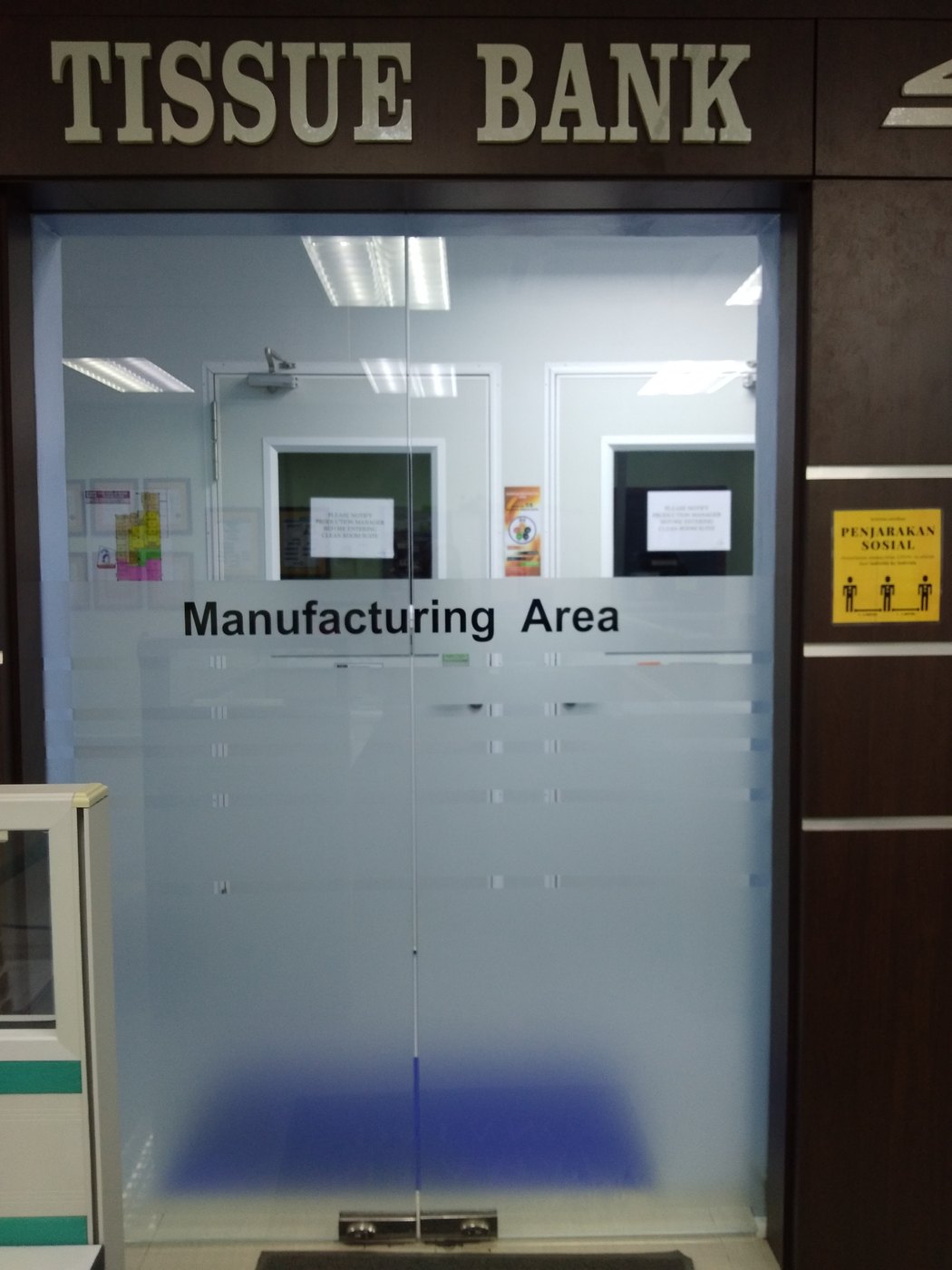
14.3.2 Quality system and clean room
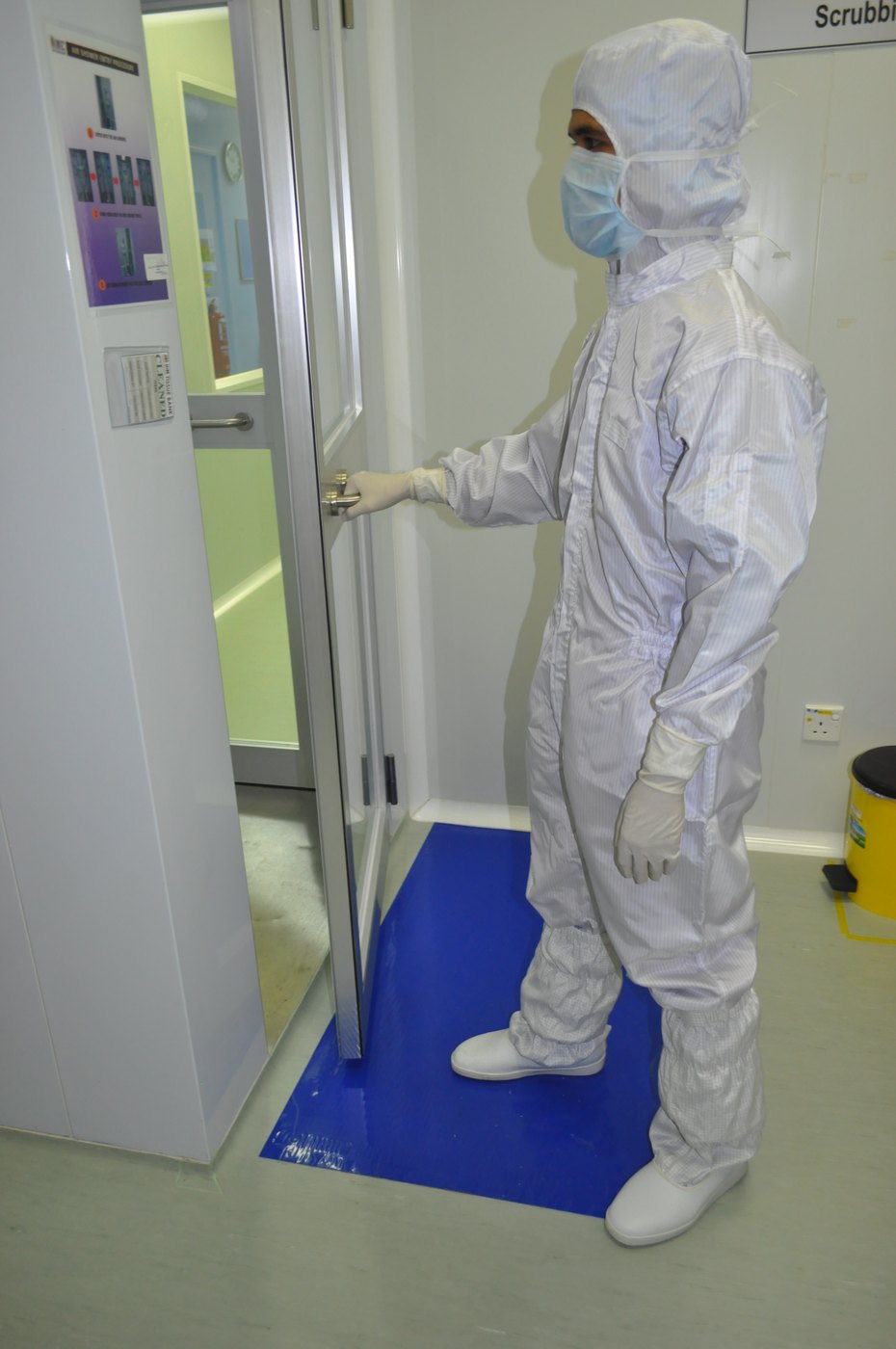
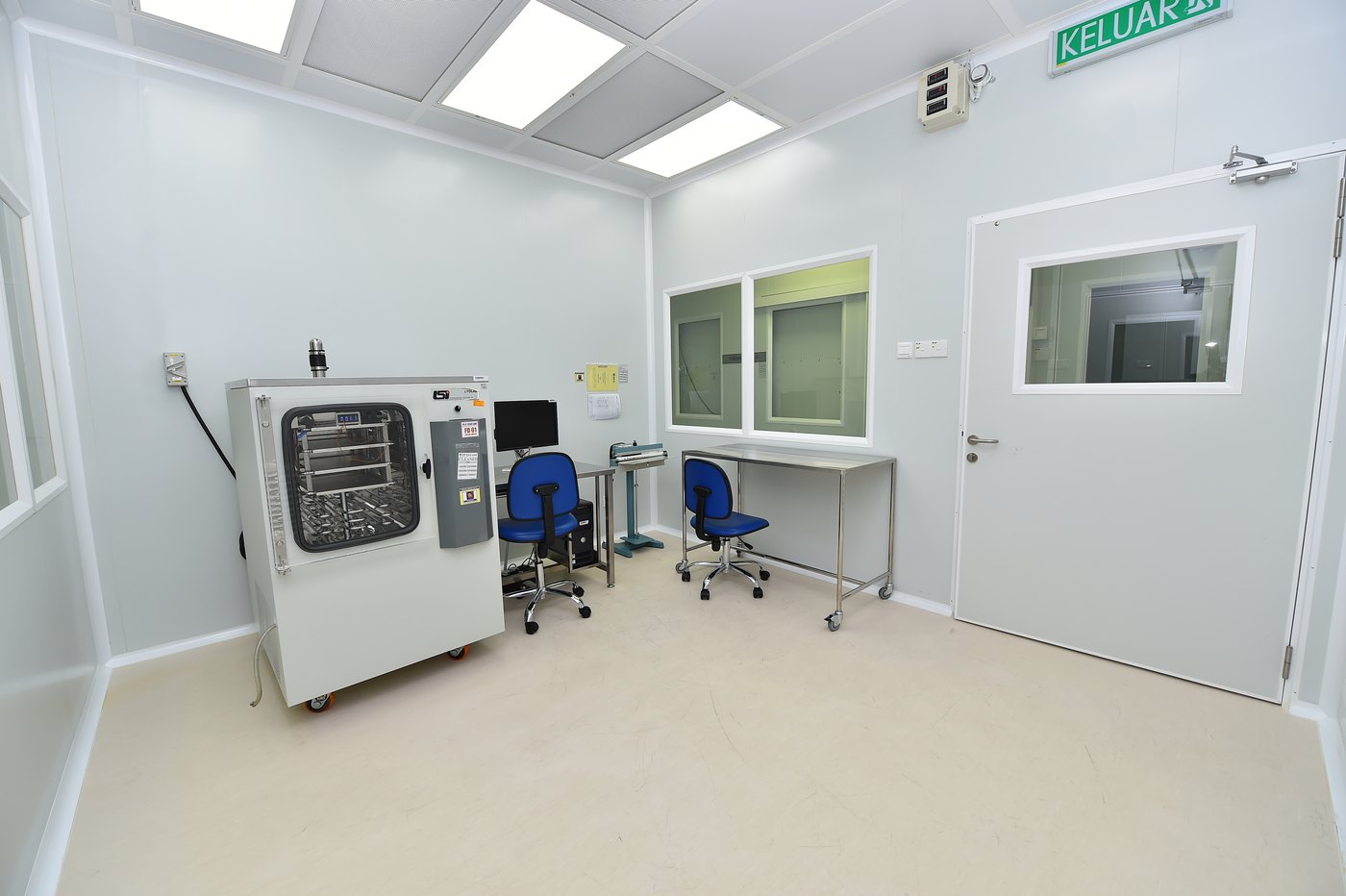
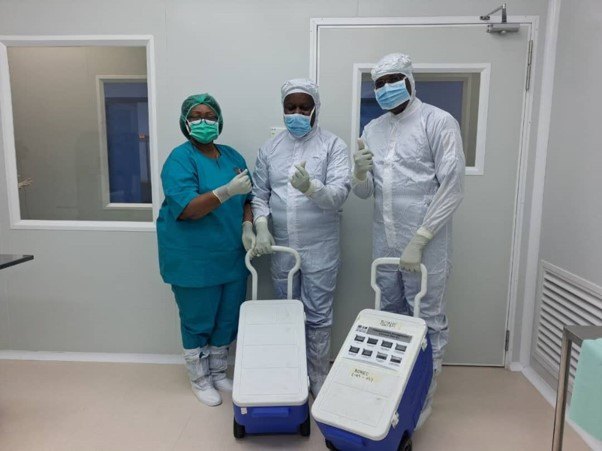
All grafts are processed and packed in a clean room, a sealed area with filtered air where staff enter only after changing, gowning and passing through an air shower.
| Certification or milestone | Since |
|---|---|
| ISO 9001 quality management system | 2004 |
| All grafts processed in clean room facilities | 2010 |
| Letter of conformity to PIC/S Good Manufacturing Practice, from the National Pharmaceutical Control Bureau | 2012 |
| ISO 13485 medical device quality management system | 2013 |
| MS 1900 Shariah-based quality management system (grafts are halal and Shariah-compliant) | 2013 |
Malaysia has no national requirement for the coding of donated tissue. The bank therefore adopted its own coding system, based on international standards, so that each graft can be traced from donor to processed graft to recipient (Sheikh Ab Hamid and Abd Rahman 2010).
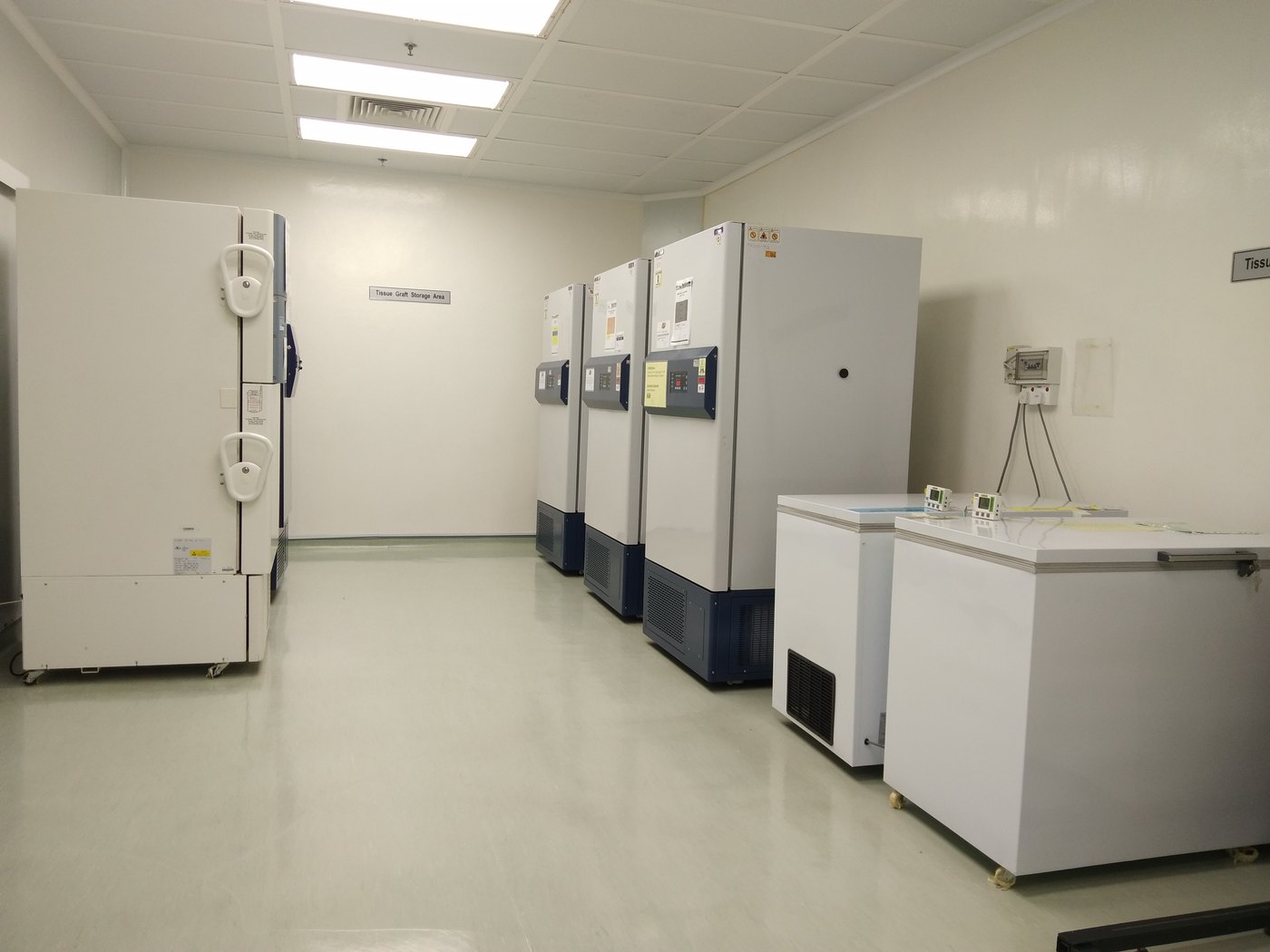
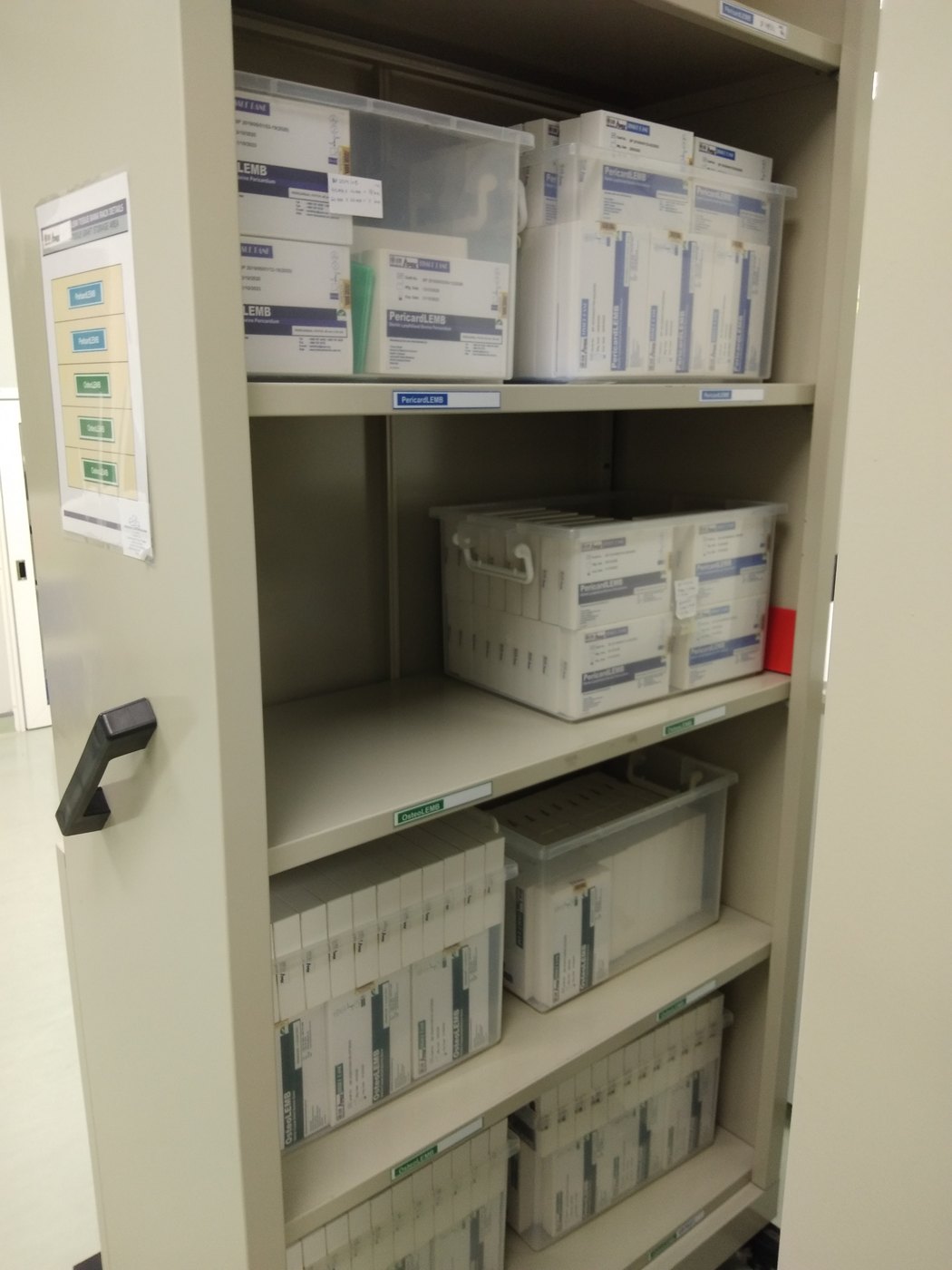
14.3.3 Products
| Group | Product | Forms and sizes given by the bank | Uses in reconstruction |
|---|---|---|---|
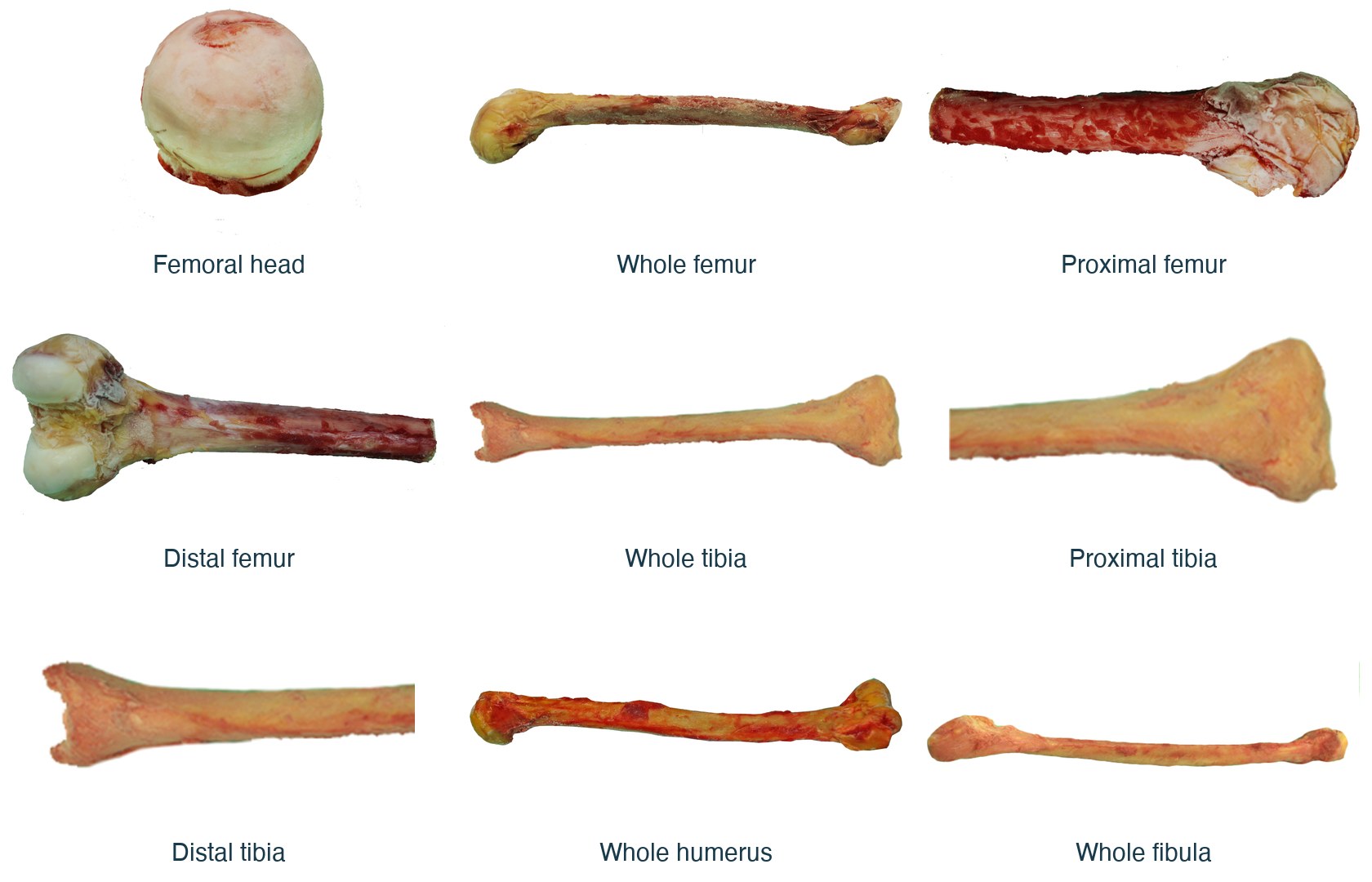
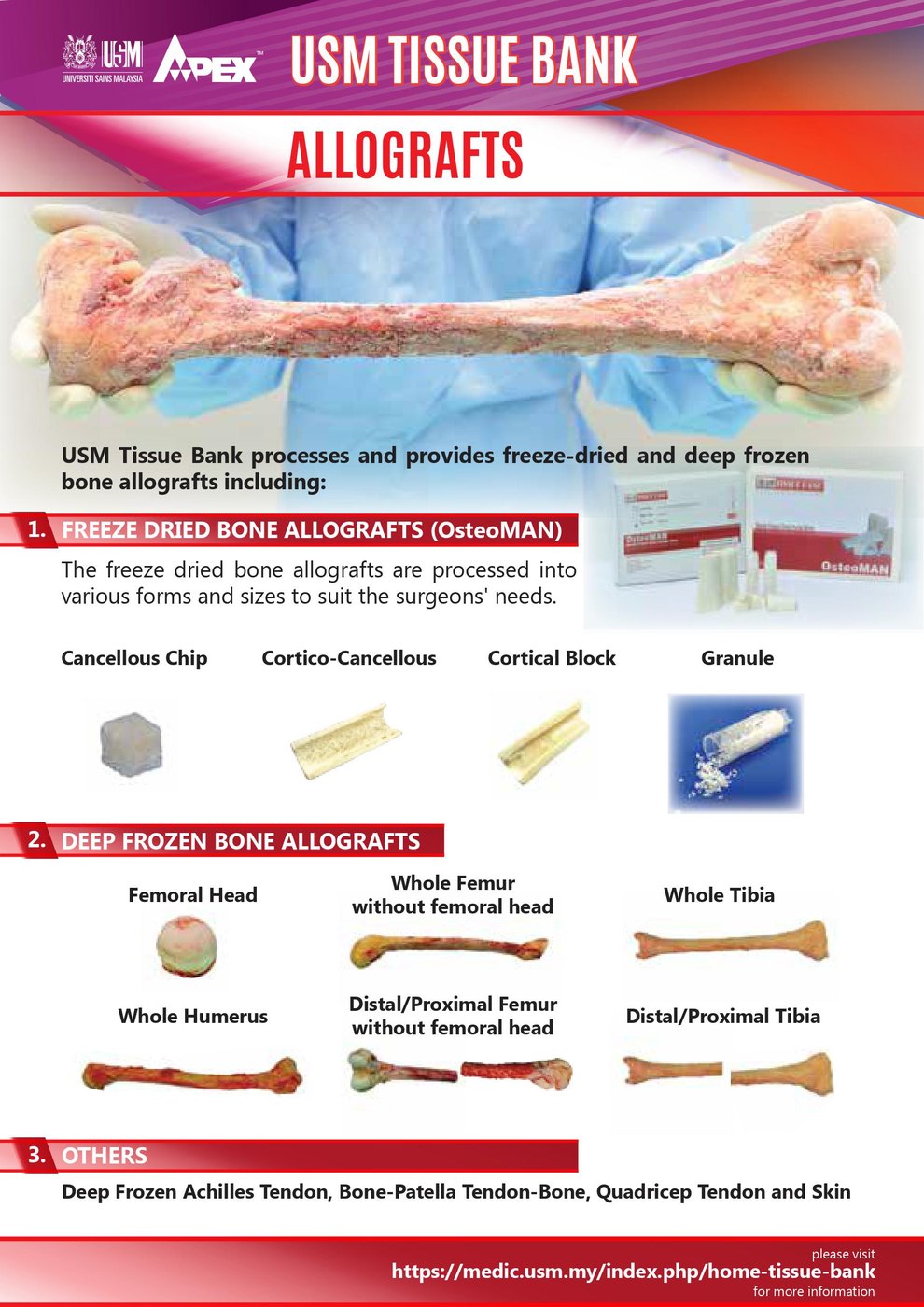
| Bone | Deep-frozen bone allograft | Femoral head; whole femur (without head); proximal and distal femur; whole tibia; proximal and distal tibia; whole fibula; whole humerus; radius and ulna | Structural grafts: massive allograft for limb salvage (alone or with a vascularized fibula); femoral head for impaction grafting or cut to shape |
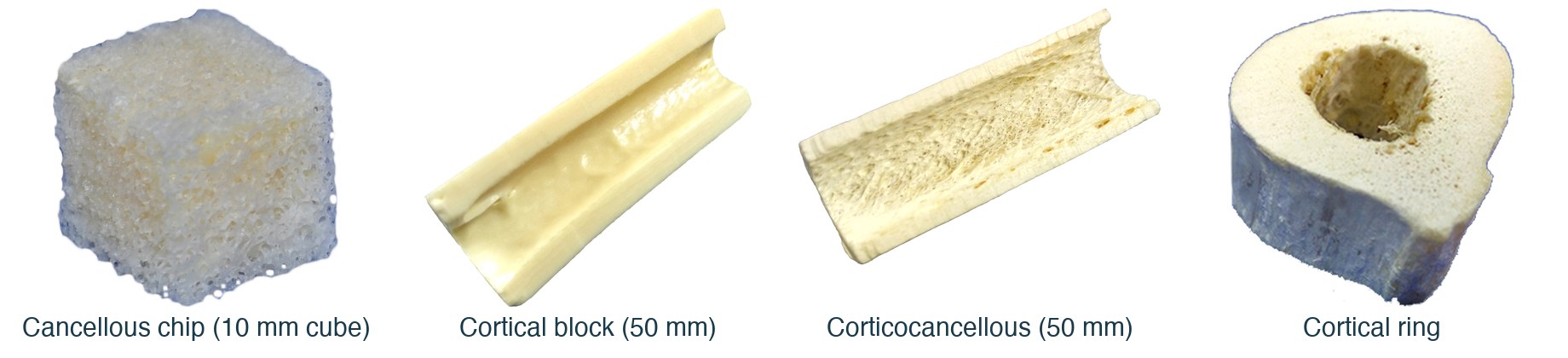
| Freeze-dried bone allograft (OsteoMAN) | Cancellous chip 10 × 10 × 10 mm; cortical block 50 mm; corticocancellous strut 50 mm; cortical ring; granules 1.0 cc per vial | Filling cavities and contained defects; augmentation in maxillofacial, dental and hand surgery. Not for load bearing. | |
| Soft tissue | Deep-frozen tendon and ligament | Achilles tendon; bone-patellar tendon-bone; quadriceps tendon; fascia lata | Ligament reconstruction; tendon reconstruction |
| Deep-frozen skin | Sheets | Temporary cover of excised burns | |
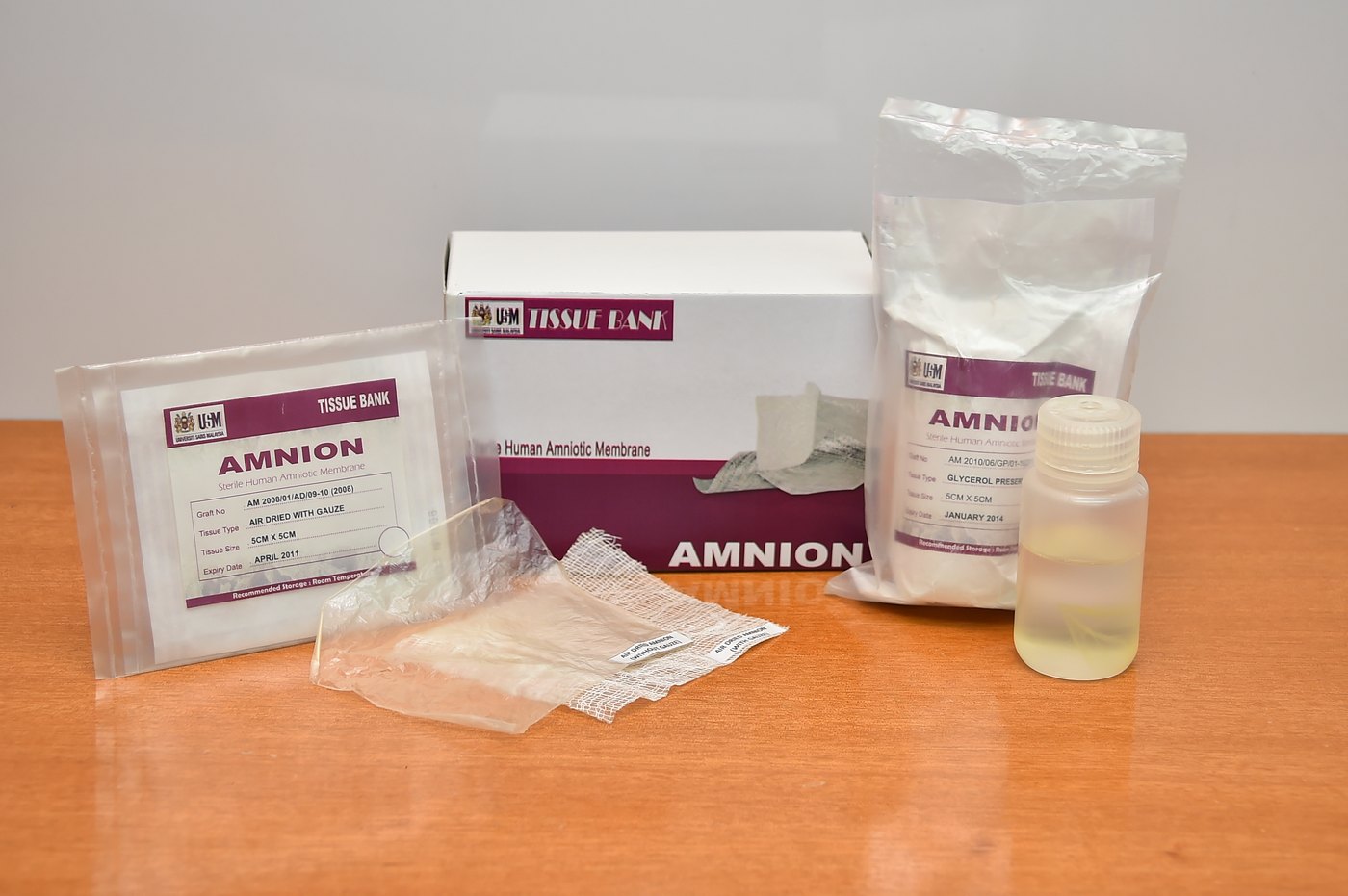
| Amnion (human amniotic membrane) | Air-dried amnion | 50 × 50 mm; stored at room temperature | Biological dressing for superficial and partial-thickness burns and skin graft donor sites; ulcers; reconstruction of the oral cavity, bladder and vagina; ocular surface surgery |
| Glycerol-preserved amnion | 50 × 50 mm, in 80% glycerol | ||
| Glycerol-cryopreserved amnion | 30 × 30 mm, in 80% glycerol/DMEM with penicillin and streptomycin; kept deep frozen |
Deep-frozen bone
Deep-frozen bone is recovered from living donors (femoral heads at hip replacement) or from deceased donors with consent from the next of kin. Donor blood is tested for HIV, syphilis (VDRL), hepatitis B and hepatitis C, and a swab of each bone is cultured for bacteria and fungi.
Freeze-dried bone (OsteoMAN)
The bank describes OsteoMAN as bone that is demineralized and then freeze-dried, so that it has some osteoinductive capacity, which varies between batches. It is cut into chips, blocks, struts, rings and granules. Freeze-dried bone is stored at room temperature but is brittle until it is rehydrated.
Processing changes the strength of bone. In human femoral cortical bone, freeze-drying lowered stiffness by 15%, and demineralization lowered stiffness by 90% and compressive strength by 93%. A sterilizing dose of 25 kGy had no further effect on compressive strength (Mansor 2023). Irradiating bone while it is kept below −40 °C better preserves its compressive strength (Yang Harmony 2022). In practice, deep-frozen cortical bone is chosen when the graft must carry load, and freeze-dried or demineralized bone when it must only fill a space.
Amnion
The amniotic membrane is the inner layer of the fetal sac. It does not provoke a strong immune reaction. It limits bacterial growth, reduces inflammation and scarring, and helps epithelium grow across a wound. It contains collagen, fibronectin, laminin and growth factors.
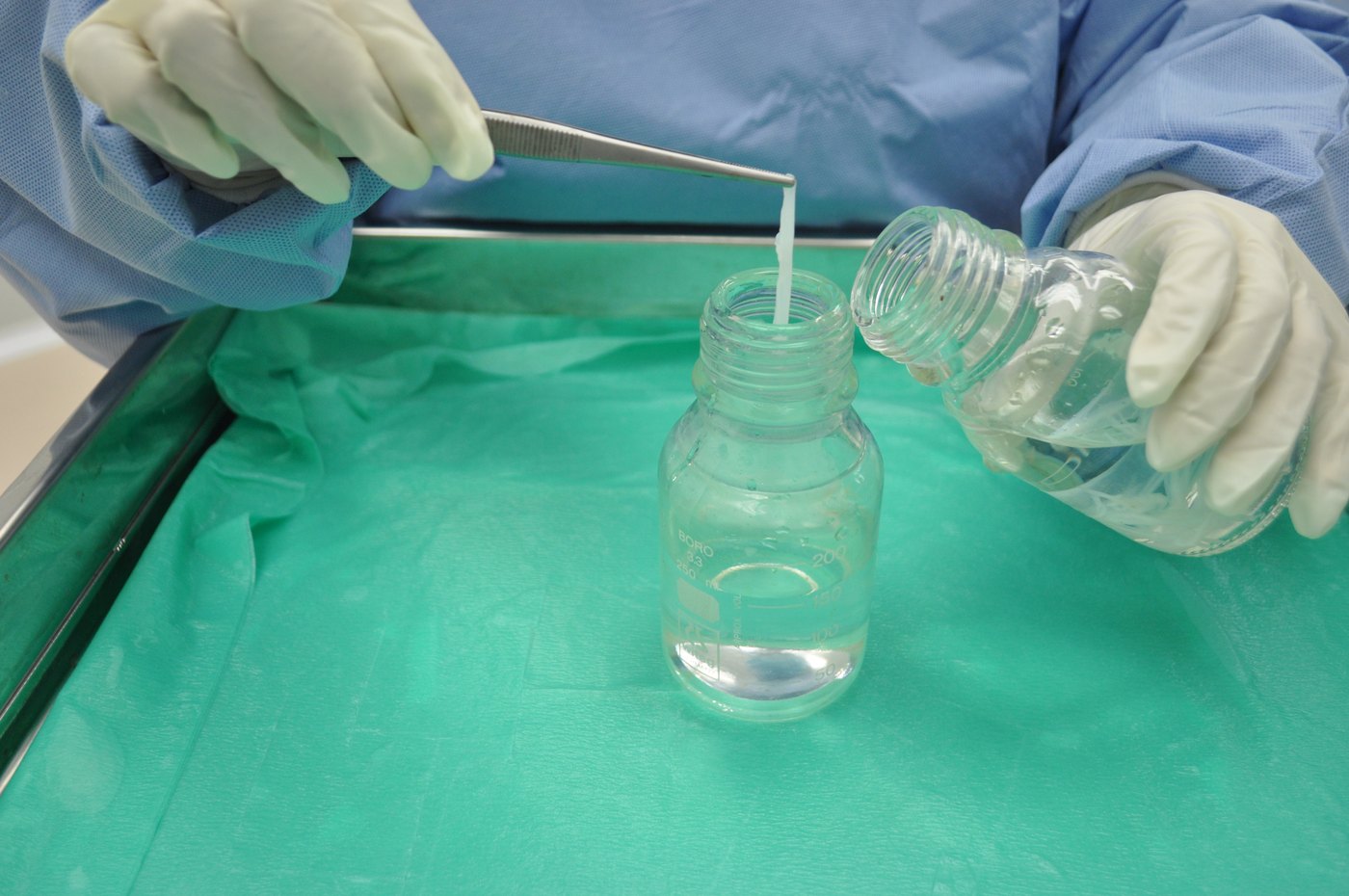
- Donors. Any mother delivering vaginally or by caesarean section can donate, with no age limit. She signs consent and is tested for HIV, hepatitis B, hepatitis C and syphilis before delivery, and is encouraged to repeat the tests 6 months later.
- Processing. The membrane is cleaned, cut, preserved and triple-packed in the clean room, then sterilized by gamma irradiation.
- Effect of irradiation. Studies by the bank found that 25 kGy did not harm the barrier properties of air-dried or glycerol-preserved amnion (Zahari 2015), and that 15 kGy did not significantly change the growth factor genes expressed in glycerol-cryopreserved amnion (Yatim 2016).
14.3.4 Skin allograft at Hospital USM
Glycerol-preserved skin allograft was first used at Hospital USM in 2001, imported from the Euro Skin Bank in the Netherlands. Since 2013 the Reconstructive Sciences Unit has kept its own glycerolized skin bank: skin from patients undergoing plastic surgery procedures is preserved in 85% glycerol and stored at 2 to 10 °C. Its cost was estimated at about 90% less than the imported skin (Yeo 2022).
14.3.5 Training and international role
The bank teaches undergraduate and postgraduate courses in biomaterials, tissue engineering and tissue banking, and trains tissue bank staff from Malaysia and abroad. Since 2012 it has trained participants from Libya, Taiwan, Iraq, India, Pakistan, South Africa, Tunisia, the Philippines and Syria. Recent programs:
| Date | Program |
|---|---|
| October 2026 | Three specialists from the Muhimbili Orthopaedic Institute, Tanzania |
| August 2026 | Visit by an orthopedic surgeon from Universitas Airlangga, Indonesia |
| October 2025 | Orthopedic specialist from Ghurki Trust Teaching Hospital, Lahore, Pakistan |
| June 2025 | Orthopedic consultants from Northern Mindanao Medical Center, the Philippines |
| December 2023 | Four trainees from Damascus Hospital, Syria |
| July to August 2023 | Healthcare professionals from the Philippines |
14.3.6 Requesting grafts
USM Tissue Bank, School of Medical Sciences, Health Campus, Universiti Sains Malaysia, 16150 Kubang Kerian, Kelantan. Telephone +609-767 4039 or 4038 (direct), or +609-767 3000 extension 4039 or 4038. Email [email protected].
14.4 What the surgeon must check before using an allograft
The surgeon is the last step. Before opening the pack, check:
- Correct graft: type, size and side.
- Pack intact and not expired.
- Stored correctly according to the label.
- Preparation: frozen bone is thawed in warm saline; freeze-dried bone must be rehydrated for the time stated, because it is brittle when dry.
- Record the graft number in the operation notes.
After surgery, report any unexpected infection or reaction to the tissue bank.
14.5 Storage of the patient's own bone flap
A related question is how to store the patient's own skull bone flap after decompressive craniectomy, until cranioplasty. There are two methods:
- Freezer (cryopreservation) in the tissue bank.
- Subcutaneous pocket in the patient's abdominal wall.
A review of 48 studies with 5,346 patients found no significant difference between the two methods in infection (7.3% versus 7.1%) or resorption (Corliss 2016). With either method the bone cells do not survive, so the flap behaves as a non-vascularized cortical graft.
14.6 Summary
- Allograft safety comes from several steps together: donor selection, testing, processing, sterilization, controlled storage and traceability.
- USM Tissue Bank, the national tissue bank since 1994, supplies deep-frozen bone, freeze-dried bone (OsteoMAN), deep-frozen tendon, ligament and skin, and three forms of amnion. All are processed in a clean room and sterilized by gamma irradiation.
- Deep-frozen cortical bone is used when a graft must carry load; freeze-dried and demineralized bone are much weaker and are used to fill space.
- The surgeon must check the graft before use and record its number.
References
- Universiti Sains Malaysia Tissue Bank. Products, quality management system, clean room facilities, training programs and brochures (2024). medic.usm.my, accessed October 2026.
- Yusof N, Morales Pedraza J. The impact of the International Atomic Energy Agency (IAEA) program on radiation and tissue banking in Malaysia. Cell Tissue Bank 2009;10:115–117.
- Sheikh Ab Hamid S, Abd Rahman MN. Tissue allograft coding and traceability in USM Tissue Bank, Malaysia. Cell Tissue Bank 2010;11:401–405.
- Mansor A, Ramalingam S, Mohd S, Yusof N. Ensuring sustainable availability of frozen bone allografts: experiences and lessons from a university hospital bone bank. Cell Tissue Bank 2026;27.
- Mansor A, Ariffin AF, Yusof N, Mohd S, Ramalingam S, Md Saad AP, Baharin R. Effects of processing and gamma radiation on mechanical properties and organic composition of frozen, freeze-dried and demineralised human cortical bone allograft. Cell Tissue Bank 2023;24:25–35.
- Yang Harmony TC, Yusof N, Ramalingam S, Baharin R, Syahrom A, Mansor A. Deep-freezing temperatures during irradiation preserves the compressive strength of human cortical bone allografts: a cadaver study. Clin Orthop Relat Res 2022;480:407–418.
- Zahari NK, Sheikh Ab Hamid S, Yusof N. Effects of different doses of gamma irradiation on oxygen and water vapour transmission rate of preserved human amniotic membrane. Cell Tissue Bank 2015;16:55–63.
- Yatim RM, Kannan TP, Ab Hamid SS. Effect of gamma radiation on the expression of mRNA growth factors in glycerol cryopreserved human amniotic membrane. Cell Tissue Bank 2016;17:643–651.
- Yeo SY, Hamzan MI, Wan Sulaiman WA, Halim AS. The cost-effectiveness of maintaining an in-house glycerol-preserved skin bank. Burns 2022;48:390–395.
- Ministry of Health Malaysia. National Organ, Tissue and Cell Transplantation Policy.
- Nguyen H, Morgan DAF, Forwood MR. Sterilization of allograft bone: is 25 kGy the gold standard for gamma irradiation? Cell Tissue Bank 2007;8:81–91.
- Nguyen H, Morgan DAF, Forwood MR. Sterilization of allograft bone: effects of gamma irradiation on allograft biology and biomechanics. Cell Tissue Bank 2007;8:93–105.
- Zou S, Dodd RY, Stramer SL, Strong DM, et al. Probability of viremia with HBV, HCV, HIV, and HTLV among tissue donors in the United States. N Engl J Med 2004;351:751–759.
- Corliss B, Gooldy T, Vaziri S, Kubilis P, et al. Complications after in vivo and ex vivo autologous bone flap storage for cranioplasty: a comparative analysis of the literature. World Neurosurg 2016;96:510–515.